

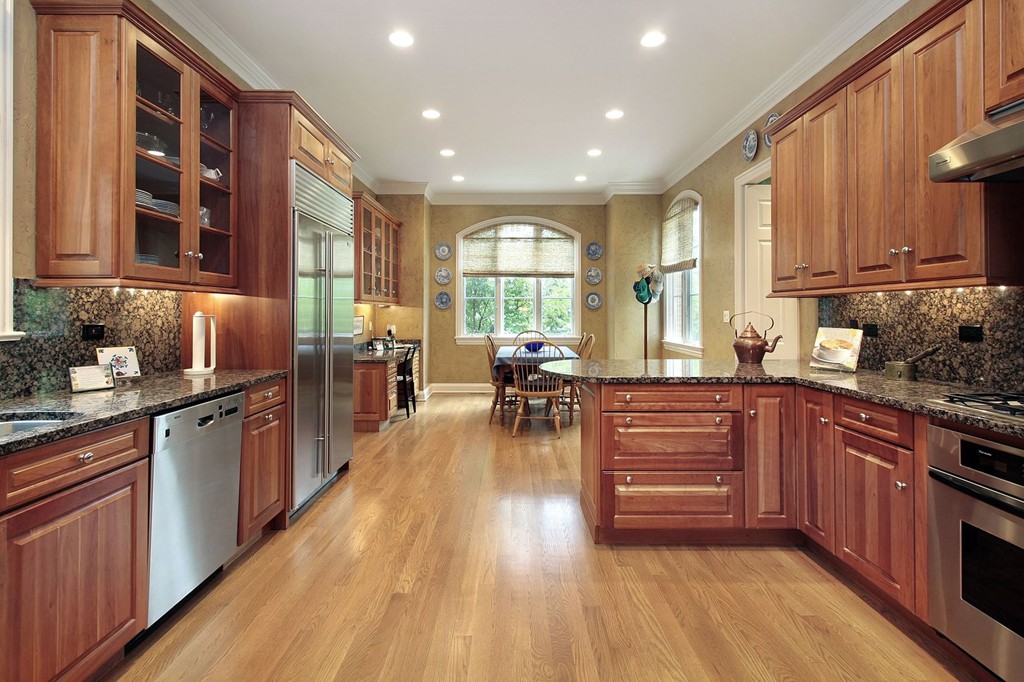
You’ve spent weeks researching, selected the perfect material, and had it professionally installed. Now comes the most important part: keeping it that way. New flooring is a major investment, and like a new car, it requires a specific maintenance routine to keep it looking brand new. Whether you have natural hardwood, luxury vinyl, or durable tile, the way you clean and protect your floors today will determine how they look ten years from now.
The Foundation of Floor Care: Preventative Habits
The easiest way to keep your floors clean is to stop the dirt from ever reaching them. Dirt, sand, and grit act like sandpaper under your shoes, slowly grinding away the finish of your floor.
The Mat Strategy: Place high-quality "walk-off" mats at every entrance to your home. Encourage family members and guests to leave their shoes at the door.
The Felt Pad Rule: This is non-negotiable. Every piece of furniture—chairs, tables, sofas, and cabinets—should have felt pads on the legs. Check these pads every few months, as they can wear down or collect grit that may scratch the surface.
Pet Care: Keep your pets' nails trimmed. Even the most durable "scratch-resistant" floors can be tested by a large dog running across the room.
Material-Specific Cleaning Advice
Hardwood Maintenance
Never use a steam mop on hardwood. The heat and moisture can force water into the wood, causing it to warp or buckle. Instead, use a dry microfiber mop for daily dusting and a specialized hardwood cleaner for occasional damp mopping. Always wipe up spills immediately.
Luxury Vinyl and Laminate Care
While these floors are waterproof or water-resistant, they still benefit from gentle care. Avoid "mop and shine" products, which can leave a waxy buildup that makes the floor look dull over time. A simple pH-neutral cleaner is usually all you need to keep LVP looking sharp.
Tile and Grout
Grout is the most vulnerable part of a tile floor. We recommend sealing your grout lines after installation to prevent stains from soaking in. For cleaning, avoid harsh acids like vinegar or lemon juice, which can eat away at the grout over time.
Navigating Ohio’s Seasonal Shifts
Ohio’s climate can be tough on natural materials. During our dry winters, the wood in your home loses moisture and may shrink, leading to small gaps between the planks. In the humid summers, the wood expands. Maintaining a consistent indoor humidity level (ideally between 35% and 55%) using a humidifier or dehumidifier will keep your floors stable and prevent squeaking or gapping.
At Johnson’s Flooring, our relationship with our customers doesn't end when the installation is finished. we are committed to helping you enjoy your floors for a lifetime. You can find out more about our values and how we support our customers long-term on our About Us page.
When to Call the Professionals
Even with perfect maintenance, life happens. If your hardwood begins to look dull after a few years, a professional "screen and coat" can restore the luster without the need for a full sanding. If you have deep scratches or water damage, our repair experts can help.
Proper maintenance isn't a chore; it's a way to ensure your home remains beautiful and your investment stays protected. If you need recommendations for specific cleaning products or have questions about your floor’s warranty, don't hesitate to reach out. Check our Locations page to find the nearest showroom and get the expert advice you need to keep your floors in top shape!


